
Enhanced Games Offer Record Prizes in Las Vegas Event
Authored by prc-kaiyunsports.com, 25/05/2026
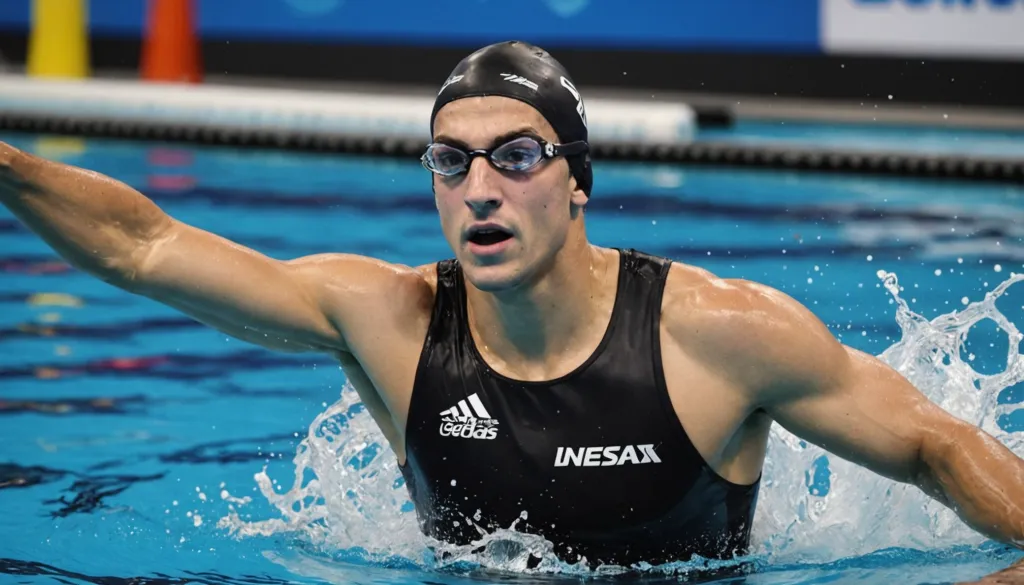
Greek swimmer Kristian Gkolomeev recorded a 20.81-second time in the 50-metre freestyle at the Enhanced Games in Las Vegas on Sunday, earning a $1 million bonus that organisers described as a world record payment. American sprinter Fred Kerley won the men's 100 metres in 9.97 seconds and collected $250,000. The competition took place in a casino car park before roughly 2,000 spectators, mostly family members and social media influencers.
Rules and Substances Allowed
The Enhanced Games permits athletes to use substances prohibited by the World Anti-Doping Agency and to wear polyurethane suits banned by World Aquatics since 2010. Organisers state that these allowances let competitors reach higher performances than standard events allow. Gkolomeev had already received a $1 million payment last year for a 20.89-second swim under the same conditions.
Official Bodies and Record Status
World Aquatics called the event a "circus built on short-cuts" and noted that results will not enter official record books. Cameron McEvoy, who set the recognised world record of 20.88 seconds in a sanctioned meet earlier this year, received no financial reward because World Aquatics pays bonuses only for records set in its own competitions. WADA has warned participants that involvement could lead to bans from traditional events and carries health risks.
Business Model and Market Position
Organisers position the Enhanced Games as an alternative format that rewards speed and distance records with direct cash payments rather than medals alone. Kerley, currently serving a two-year ban from World Athletics after drug-testing issues, said he was competing without banned substances yet still fell well short of his personal best. The single-day format and limited attendance reflect an early-stage operation that has yet to secure broad broadcasting or ticketing revenue.
Consumer and Regulatory Context
Events that tie large cash prizes to performance in unregulated conditions raise questions for regulators and sports bodies about athlete welfare and the integrity of timing data. Families of participants, local media, and social media accounts documented the proceedings, but no independent verification process for results was described by organisers. The contrast between prize money available here and the zero-dollar bonus for clean athletes in official meets highlights differing approaches to compensation across competitive swimming and athletics.